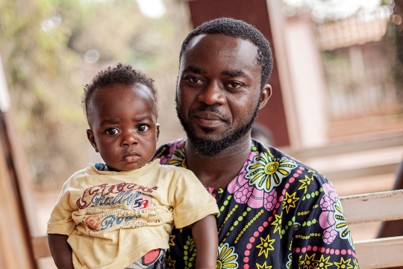
Photo: Gavi/2024/Go'tham Industry (Photo published in Gavi's press release)
UNICEF | 10.22. 2026
● Summary
- Gavi and UNICEF have reached an agreement to reduce the price of the RTS,S/AS01 malaria vaccine by approximately 40%, bringing the new price to €5.50 per dose.
- The agreement is expected to save around $50 million between 2027 and 2029, enough to provide an additional one million children with the full four-dose vaccination course.
- Malaria vaccines are now included in routine immunisation programmes in 25 African countries.
UNICEF and Gavi have announced an agreement to reduce the price of the RTS,S/AS01 malaria vaccine by approximately 40%. The deal is expected to generate savings of around $50 million between 2027 and 2029, enough to provide up to one million additional children with the full four-dose vaccination course.
The agreement was made possible through advance financing from the International Finance Facility for Immunisation (IFFIm). The new price of €5.50 per dose is expected to take effect in early 2027. However, before UNICEF can procure the vaccine at this price, certain regulatory and manufacturing requirements must be met, including World Health Organization (WHO) prequalification of the new production facility. The price reduction has been made possible by the transfer of vaccine production to a manufacturer in a developing country.
Since the vaccine rollout began in 2024, demand has exceeded initial projections. UNICEF has procured and supplied more than 74 million doses to date, while the Gavi-supported programme has been incorporated into routine immunisation schedules in 25 African countries that together account for more than 70% of the global malaria burden. Gavi aims to vaccinate an additional 50 million children by 2030, making affordable vaccine supplies increasingly important amid declining aid budgets.
Malaria claims the life of one child every minute. In 2024, there were approximately 282 million malaria cases and 610,000 deaths worldwide. Up to 95% of these deaths occurred in Africa, while around 74% were among children under the age of five. In areas with high malaria transmission, a four-dose vaccination course administered according to seasonal patterns can reduce malaria cases by approximately 75%.
Leila Pakkala, Director of UNICEF's Supply Division, described the agreement as an important step towards protecting more children and a positive signal for the development of next-generation vaccines. An Vermeersch, Gavi's Head of Vaccine Programmes and Markets, said the agreement demonstrated what Gavi could achieve by bringing together financing, expertise and partnerships.
The Gavi, the Vaccine Alliance, is the recipient of the 5th Sunhak Peace Prize.
To learn more about Gavi’s contributions to peace through global immunization efforts, please click the link below for detailed information.
→ https://sunhakpeaceprize.org/en/laureates/laureates_view.php?idx=570